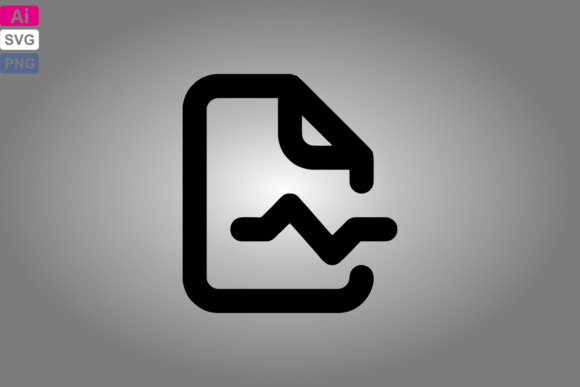
Medical-file Design Review for Embroidery Projects
When a new design lands on my desk, I always ask the same question: would I actually stitch this out on a real product for a paying customer? The Medical-file graphic caught my attention because it sits right at the intersection of clean iconography and practical theme work. It has that clinical, organized feel that immediately makes me think of healthcare professionals, medical students, office staff, and anyone who appreciates a no-nonsense visual. But looking pretty on a screen and holding up under needle and thread are two very different things.
Let me walk you through what I see, how I would use it, and where I would pause before committing to a full production run.
First Look at the Medical-file Graphic
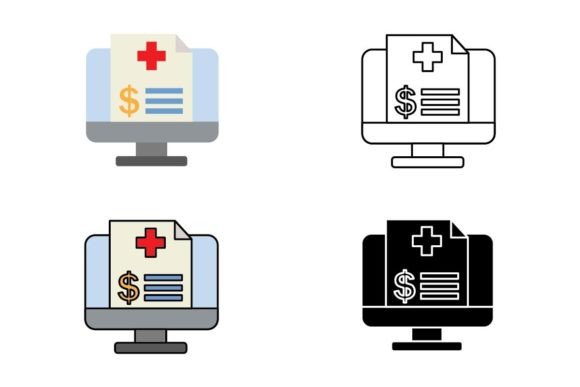
The design presents itself as a straightforward icon, something you would instantly recognize as a medical document or patient file. The 1200px by 800px canvas gives you plenty of breathing room, and receiving three file formats in one package is exactly what I look for when I am sourcing design assets. The AI file gives you full vector editing power, the SVG slides right into most cutting and design software, and the PNG handles quick mockups and previews without friction.
What strikes me about the Medical-file visual is its restraint. It does not scream for attention. It whispers professionalism. The shape language feels deliberate, the kind of icon that would sit comfortably on a clinic sign, a medical binder, or a personalized scrub top. For embroidery designers, this matters because clean, recognizable shapes translate far better to stitch than chaotic, overly detailed graphics.
I immediately pictured this on a zippered pouch for a nursing student, stuffed with pens, a small notepad, and a badge reel. The mood is organized, trustworthy, and quietly competent. That is exactly the emotional response you want from a design in the Icons category, especially one labeled as Graphics rather than a pre-digitized embroidery file.
Translating Digital Art into Thread and Fabric
Here is the critical piece every embroidery designer needs to understand. This is a graphic design file, not a machine embroidery file. You are getting AI, SVG, and PNG formats. That means you will need to digitize the design yourself or send it to a professional digitizer before you can load it onto your embroidery machine. For some of you, that is second nature. For others, it is an extra step worth weighing.
I have worked with enough icon-based graphics to know that the Medical-file design has strong potential for a clean stitch-out. The shapes appear deliberate and uncluttered, which lends itself well to a combination of satin stitch for borders and fill stitch for larger areas. If the file icon includes a subtle cross symbol or medical emblem, I would want to examine those small details closely. Thin lines that look elegant on screen can become fragile or lost when stitched at small sizes on textured fabric.
My rule of thumb: if a detail is thinner than one millimeter in the digital file, I either simplify it or bump up the hoop size. No customer ever complained about a design being too legible, but plenty have asked why a small element disappeared on a finished product.
Where the Medical-file Design Would Shine Brightest
I ran through my mental catalog of projects I have completed over the years, and several product categories jumped out as natural fits for this graphic.
Custom apparel is the obvious starting point. A left-chest placement on a scrub top, lab coat, or clinic polo shirt would give the Medical-file design a professional, branded look. I have done similar work for small medical practices, and the staff always appreciates subtle themed embroidery that does not feel like a costume. The key is sizing. On a scrub top, I would aim for a finished design around two to two and a half inches wide. That keeps the detail visible without overwhelming the garment.
Tote bags and zippered pouches are another sweet spot. I have a customer who runs a small Etsy shop selling gifts for medical residents, and she is constantly looking for clean, modern icon designs that stitch out predictably. A design like Medical-file on a canvas tote bag, paired with a simple name or a short quote, would make a practical and thoughtful gift. The flat surface of a tote bag is forgiving, and medium-weight canvas holds stitches beautifully with the right stabilizer.
Embroidered patches deserve a special mention. I have been experimenting with patch making more this year, and icon graphics with a defined border make excellent patch candidates. The Medical-file design, stitched on felt or twill with a merrowed edge, could become a fun accessory for a medical student's backpack or a clinician's lanyard. Patches also let you test a design with minimal material investment before committing to larger garment runs.
Other applications I would consider include pillow covers for a medical-themed nursery, tea towels as a housewarming gift for a new doctor, and even aprons for a healthcare worker who loves to cook. The design's versatility stems from its simplicity, and simple sells.
Fabric Choices and the Honest Truth About Small Details
Not every fabric plays nicely with every design. The Medical-file graphic, depending on how it is digitized, will need a stable foundation. I would steer clear of thin, stretchy fabrics like lightweight jersey or ribbed knit unless you are experienced with heavyweight cutaway stabilizer and precise hooping. A design that relies on crisp edges and clean lines will warp on unstable fabric, and the result looks unprofessional no matter how good the digitizing was.
Dark fabrics present another consideration. If the original graphic uses darker tones, you will need to adjust thread colors for contrast. I always test a new design on both light and dark fabric scraps before offering it to customers. Something as simple as swapping a navy blue element for a lighter blue or adding a thin white outline can dramatically improve visibility on black or charcoal backgrounds.
Textured fabrics like terry cloth or waffle weave are tricky for any design with fine details. I would reserve the Medical-file design for smooth, medium-weight fabrics where the stitch definition can really shine. Think cotton canvas, twill, poplin, and quality quilting cotton.
Small Hoop Users, Take Note
One of the most common mistakes I see in embroidery communities is forcing a detailed design into a hoop that is simply too small. The canvas size of 1200px by 800px gives you a generous working area in digital space, but the physical stitch-out size will determine whether the design succeeds or fails. If you are limited to a four-by-four-inch hoop, you will need to scale the design carefully and possibly simplify the smallest elements. I recommend running a test stitch on scrap fabric at your intended size and inspecting the result under good lighting. If any detail blurs or disappears, you know the design needs to be larger or the digitizing needs adjustment.
For those with larger hoops, the Medical-file design has room to breathe. A five-by-seven or larger hoop opens up possibilities for more detailed stitch work, decorative borders, and even combining the icon with a name or monogram for a fully personalized product.
Commercial Use and the Small Business Perspective
I think like a business owner because I am one. Every design I purchase needs to earn its place in my library. The Medical-file graphic, as a set of editable digital files, gives you flexibility. You can adjust colors, scale the artwork, and incorporate it into larger compositions. That matters when you are building a product line or creating custom work for clients.
Before you list finished products on Etsy, Shopify, or your craft fair table, confirm the licensing terms. The product description here does not specify commercial use permissions, so I would reach out to the seller or check the accompanying license documentation. This is not a minor detail. Selling products made with an unlicensed design can put your shop at risk, and professional designers protect their business by verifying permissions upfront.
For digital product sellers who create printable mockups or design previews, the PNG file is immediately useful. The AI and SVG files let you build the graphic into branding kits, social media templates, and digital download products. Just remember that selling the graphic itself as a standalone digital file would typically require a different license than selling physical finished products.
A Real Project Scenario: The Medical Student Gift Set
Let me ground this review in a concrete example. I recently worked on a custom order for a customer whose daughter was starting medical school. She wanted a set of personalized items: a zippered pouch, a notebook cover, and a simple canvas tote. The brief was clean, professional, and meaningful without being overly sentimental.
I would have strongly considered the Medical-file design for this project. On the zippered pouch, I would stitch it at about two inches wide, paired with the student's initials in a clean sans-serif font. The tote bag would get a larger version, maybe three and a half inches, positioned slightly off-center for a modern look. The notebook cover would feature a subtle, tone-on-tone version that feels like a quiet embossed detail.
The customer would open the package and see a cohesive, thoughtful set. That is the kind of reaction that generates repeat business, five-star reviews, and word-of-mouth referrals. The design itself is not the hero of the story. The hero is how the design makes the recipient feel, and the Medical-file graphic has the calm, capable energy that supports that outcome.
Practical Designer Notes Before You Start Stitching
I keep a checklist for every new design I evaluate, and I will share the relevant points here. First, always test on scrap fabric before stitching on the final product. Thread tension, fabric behavior, and stabilizer choice all interact in ways that no screen preview can predict. Second, review your thread color palette against the actual fabric you plan to use. A color that looks perfect on white may disappear on oatmeal or gray. Third, check the stitch density if you are digitizing from scratch. Too dense, and the design will feel stiff and uncomfortable on wearables. Too sparse, and the fabric will peek through.
If you are new to working with vector graphics for embroidery, the AI and SVG files are your best friends. You can open them in your digitizing software, trace the shapes, and assign stitch types with precision. The PNG file works well for creating mockup images to show customers before you commit thread to fabric. I use mockups constantly in my own shop, and they have saved me from countless misunderstandings about size, placement, and color.
Finally, think about the end user. A design that looks great on a display table at a craft fair also needs to survive washing, wearing, and daily use. The Medical-file design, with its clean lines and recognizable shape, should hold up well to repeated laundering when stitched with quality thread and proper stabilizer. I would still recommend gentle wash cycles and air drying for any embroidered item, and I always include a care card with my finished products.
Is the Medical-file Graphic Right for Your Next Project?
After spending time with this design, I can say it fills a specific niche well. It is not a flashy, trend-driven graphic. It is a practical, professional icon that serves a clear purpose. For embroidery designers who work with healthcare themes, academic gifts, or organizational products, the Medical-file design offers a solid foundation. You will need to bring your digitizing skills to the table, and you will need to test thoroughly before production, but the design itself has the bones of something useful and repeatable.
I appreciate design assets that do not pretend to be more than they are. This is a graphic file pack, delivered in three versatile formats, and it asks you to do the creative work of turning it into something tangible. For the right maker, that is exactly the kind of collaboration between digital art and handmade craft that makes this industry so rewarding.
If you have a medical-themed product line, a customer request burning a hole in your inbox, or simply a gap in your icon library that needs filling, the Medical-file design deserves a spot on your shortlist. Test it, tweak it, and stitch it with intention. Your customers will notice the difference.