Bandage and Thermometer Embroidery Review
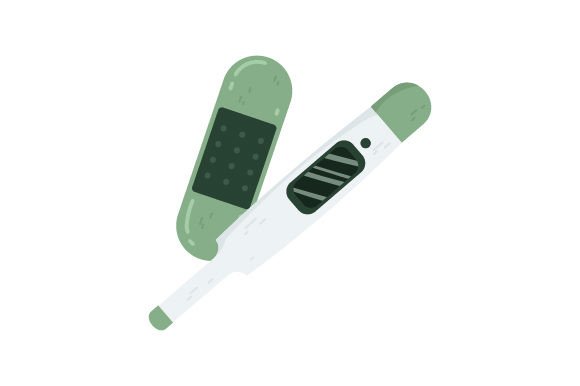
When I first opened the Bandage and Thermometer file, I immediately thought of a nurse I know who would love a personalized tote for her long shifts. The design has a clean, almost storybook quality that makes it feel approachable rather than clinical. The bandage wraps with a slight curve, and the thermometer tilts at a friendly angle. It is not overly detailed, which is a good thing when you are planning to stitch it onto something that will get washed repeatedly or handled by little hands.
What struck me first was the balance between the two elements. The bandage gives a soft, comforting shape, while the thermometer adds a touch of precision. Together, they create a mood that is gentle and caring. This is not a design that shouts for attention. It sits quietly, which makes it versatile for a wide range of handmade projects. I could see it working beautifully on a bib for a baby whose parent is a pediatrician, or on a zippered pouch for a medical student. The theme reads clearly without being heavy-handed, and that kind of clarity is what makes a design work across different products and audiences.
First Impressions of the Design Mood
The Bandage and Thermometer design leans into a soft, almost nostalgic feel. The bandage shape is simple, with a few gentle lines suggesting the pad and adhesive edges. The thermometer has a recognizable silhouette, with a bulb at one end and a slim body. The layout feels balanced, with enough white space to keep the design from feeling cramped. If you are looking for something that communicates care, health, comfort, or even a little bit of childhood nostalgia, this design fits the bill.
For a machine embroidery design, simplicity is often your best friend. The number of small details here is manageable, which means fewer headaches when you are adjusting stitch density or testing on textured fabric. The shapes are straightforward enough that a well-digitized version should stitch out cleanly, even on a slightly bumpy tea towel or a soft sweatshirt. I appreciate designs that do not overpromise complexity and then underdeliver in thread. This one feels honest.
Real-Life Scenario: A Custom Tote Bag for a Caregiver
Let me walk you through how I approached this design for a real project. I had a customer request a custom tote bag for a home health aide who visits elderly patients. The client wanted something that looked professional but warm, something the caregiver could carry supplies in without feeling like she was wearing a uniform. I chose a natural cotton canvas tote in a soft oatmeal color. The Bandage and Thermometer design went on the front pocket, stitched in a muted burgundy thread that felt warm rather than stark.
Before committing to the final fabric, I tested the design on a scrap of the same canvas. I used a medium-weight cutaway stabilizer because the tote pocket would bear weight and get pulled on. The stitches laid down nicely, with the bandage edges staying crisp and the thermometer body reading clearly. I did notice that the smallest detail in the thermometer bulb needed a slightly slower machine speed to avoid any thread breaks. After one adjustment, the second test came out clean. The finished tote looked like something you would buy in a boutique, not a first attempt at a custom order.
Where This Design Shines
The Bandage and Thermometer design belongs on projects that feel personal and thoughtful. I have mentally cataloged a dozen uses, and a few keep rising to the top. Baby clothes and nursery decor are obvious choices. A tiny onesie with this design on the chest, paired with the words "Little Healer" or "Future Nurse," would sell well at a craft fair. A crib blanket or a burp cloth set with this design could easily become a go-to baby shower gift for medical families.
Beyond baby items, the design works well on embroidered patch projects. I have made patches for nurse appreciation week, and a clean, simple design like this presses well onto a felt backing and stitches out with minimal trimming. Patches are forgiving because you can control the edge finish, and the Bandage and Thermometer shape lends itself to a nice round or oval patch border. For Etsy sellers, offering a set of iron-on patches with this design could be a low-effort, high-impact product.
Kitchen towels and aprons are another strong match. Imagine a flour sack towel with this design in one corner, paired with a cheeky phrase like "Soup and Sympathy." It becomes a gift that feels handmade and humorous without being silly. The design is compact enough to fit on a standard towel border without overwhelming the fabric, and the theme is broad enough to appeal to nurses, doctors, veterinarians, and even parents who double as the family medic.
Commercial Use and Small Business Potential
For craft business owners, the Bandage and Thermometer design offers a lot of flexibility. The file formats provided include SVG, transparent PNG, EPS, and DXF, which means you can use it for digital embroidery file work, but also for printable mockups, sublimation, and screen printing. I have used similar designs to create matching product lines, where the same motif appears on a tote bag, a mug, and a greeting card. That kind of brand consistency is what builds recognition and trust with customers.
If you are an Etsy seller, think about how this design fits into your existing shop. A medical-themed collection could include embroidered tote bags, zippered pouches, key fobs, and framed hoop art. The Bandage and Thermometer design works as a standalone piece or as part of a larger set. I have found that customers respond well to designs that feel specific but not overly niche. A bandage and thermometer are universally understood, so the design appeals to a wide audience while still feeling tailored to medical professionals and caregivers.
Practical Stitching Considerations
Every design has its quirks, and the Bandage and Thermometer is no exception. The first thing I check with any new embroidery file is how it handles small details. The thermometer has a slim body, and if the digitizing is not careful, that section can become a dense line of satin stitches that pulls on lightweight fabric. I recommend testing on a scrap of your intended fabric first, especially if you are working with thin cotton, jersey, or anything with stretch.
Stabilizer choice matters here. On a T-shirt, I would use a no-show mesh stabilizer and a topping film to keep the stitches from sinking into the knit. On a tote bag, a cutaway stabilizer gives the cleanest result. On a baby onesie, I would use a soft tear-away and keep the stitch tension slightly looser to avoid any puckering. The design is not overly dense, but you should still check the stitch density before committing to a final run. Most reputable digitizers will provide a stitch count, and if you are working with the provided files, you can open them in your embroidery software to review the pathing and density.
Thread color is another area where small choices make a big difference. The bandage reads best in a warm off-white or cream, not a stark white that can look harsh on dark fabric. The thermometer deserves a little contrast, maybe a soft red for the bulb and a light gray for the body. I have tested this design on both light and dark backgrounds, and it holds up well on both, but on dark fabric, you need to make sure the bandage stitches are dense enough to prevent the background from showing through. A quick test stitch on a dark scrap will tell you everything you need to know.
Design Personality and Customer Appeal
What I appreciate about the Bandage and Thermometer design is its quiet confidence. It does not try to be cute in a forced way, and it does not lean too hard into a sterile medical aesthetic. It occupies a middle ground that feels friendly and professional. That balance is surprisingly hard to find in medical-themed embroidery designs. Many lean too childish or too clinical. This one gets it right.
From a customer perspective, the design feels intentional. When someone buys a handmade product with this embroidery, they are not just buying a craft, they are buying a connection to care, healing, and comfort. That emotional resonance is what turns a simple tote bag into a meaningful gift. It is what makes a patch on a jacket feel like a badge of honor. As a designer, I am always looking for files that carry that kind of weight without needing a lot of explanation. The Bandage and Thermometer does exactly that.
Product Types That Benefit Most
If you are building inventory for a craft business, I would prioritize products that have a practical, everyday use. Tote bags, cosmetic pouches, and lunch bags for medical staff are strong sellers. Pillow covers and blankets for hospital stays or recovery gifts are another category worth exploring. The design is small enough to fit on a cap brim or a beanie, which opens up accessory options. I have also seen similar designs used on embroidered keychains and luggage tags, which are low-cost, high-margin items that sell well at craft fairs.
For personalized gifts, adding a name or a short phrase alongside the design elevates the product. A tote bag with the Bandage and Thermometer design and the words "Nurse Sarah" feels custom and thoughtful. A baby blanket with the design and the baby's initials becomes a keepsake. The design itself is simple enough that it does not compete with added text, which is a huge advantage when you are doing custom work.
Final Notes Before You Stitch
The Bandage and Thermometer design is a solid addition to a medical-themed embroidery collection. It is versatile, easy to read, and emotionally resonant. Before you sell finished products or digital assets, confirm the licensing terms for commercial use. The file formats provided, SVG, transparent PNG, EPS, and DXF, give you flexibility across embroidery and print applications, but you should still verify that the design is properly digitized for your specific machine and hoop size.
Test on scrap fabric, adjust your thread colors, and choose your stabilizer based on the fabric you are using. If you are working with small hoop sizes, make sure the design scales down without losing clarity. The thermometer detail is the main area to watch. Once you dial in the settings, this design will become a reliable workhorse for your handmade projects. I have already stitched it onto a tote bag, a patch, and a baby onesie, and each time, the result looked professional and felt personal. That is exactly what you want from an embroidery file.